
Concrete Crack Repair & Filling
Professional Concrete Crack Repair and Filling Services in Toowoomba, Queensland
Expert Concrete crack repair and filling in Toowoomba. Structural & cosmetic crack solutions for lasting results.
 (07) 4580 2888
- Free On-Site Quotes
- Servicing Toowoomba
- Fast Response
Get a Free Quote
Tell us about your project. Your enquiry may be referred to an independent contractor servicing Toowoomba, who may contact you to discuss the job and provide a quote.
You've probably found yourself staring at that crack in your driveway, garage floor, or commercial space, wondering if it's something to worry about. Concrete cracks tell stories – stories about foundation movement, thermal stress, or underlying structural issues that need professional attention.
Is That Crack Really Just Cosmetic?
Maybe you've tried to convince yourself it's just cosmetic, or perhaps you're genuinely concerned about what's happening beneath the surface.
Why DIY Solutions Don't Work in Queensland's Climate
Here in Toowoomba, we deal with unique challenges that make concrete crack repair and filling particularly important. Our expansive clay soils shift with the seasons, our summer temperatures can soar while winter brings unexpected frosts, and our wet seasons can put enormous pressure on existing cracks. These aren't problems you can solve with a tube of hardware store caulk.
Professional Diagnosis Makes the Difference
When you're dealing with cracks in your concrete, you're not just looking at an eyesore – you're potentially looking at water infiltration, structural weakening, trip hazards, and expensive future repairs if left untreated. That's where professional concrete crack repair and filling services make all the difference. A proper repair doesn't just fill holes; it starts by diagnosing the root cause, selecting the appropriate repair method, and providing solutions that actually last in our challenging Queensland climate.
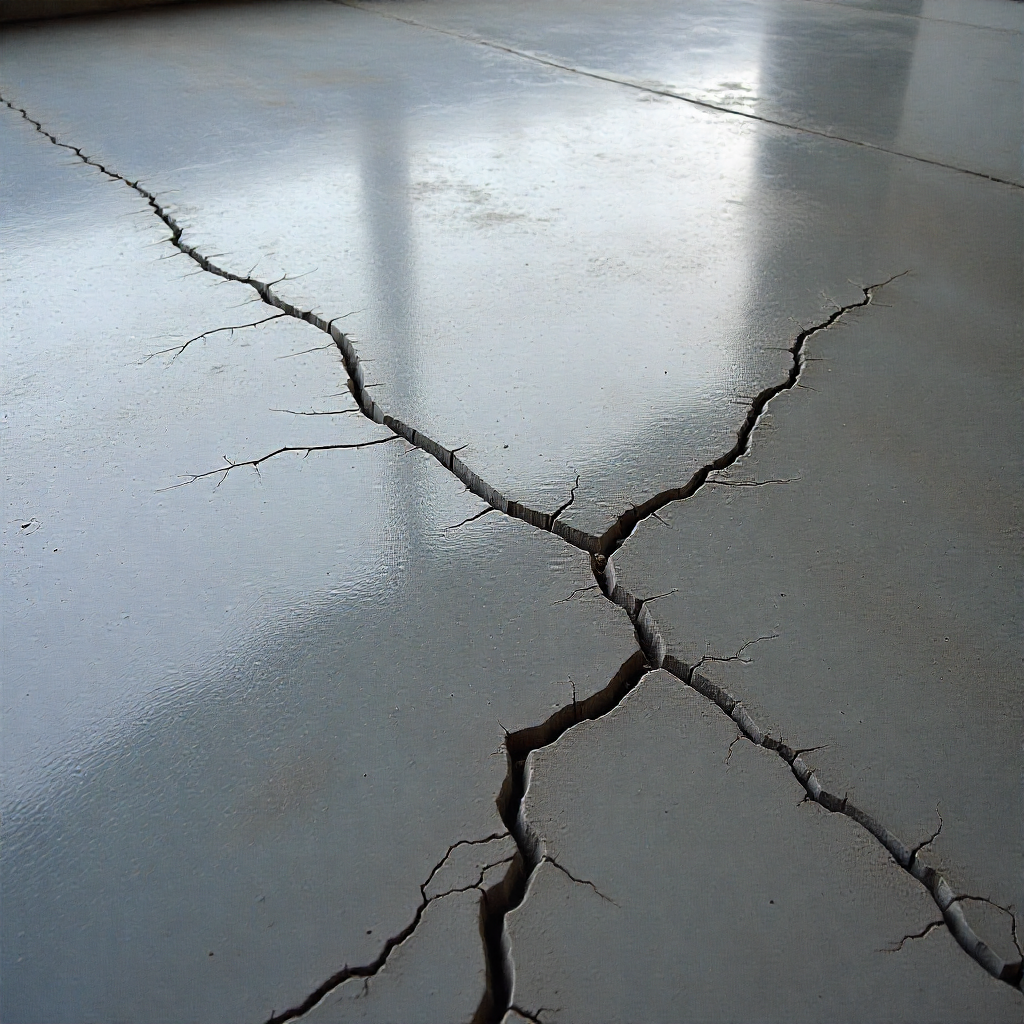
Professional Crack Assessment & Analysis Process
-
✔️Visual Inspection and Crack Mapping
Not just the obvious one, but every hairline, every settlement crack, every joint failure. Each one should be photographed, measured, and documented by its exact location.
This mapping tells a story. Cracks don't happen in isolation – they're connected to underlying issues. A crack in your garage might relate to foundation movement that's also affecting your driveway. Understanding these connections helps the contractor recommend repairs that actually solve the problem instead of just covering it up.
-
✔️Crack Width Measurement and Monitoring
Here's something most people don't realize: crack width changes. Temperature, humidity, seasonal soil movement – they all affect how wide a crack opens and closes. Precision measuring tools are used to determine not just current width, but potential movement range.
For active cracks – ones that are still moving – this monitoring phase can take several weeks.
-
✔️Depth Determination Using Multiple Methods
Surface cracks and deep structural cracks look similar from above, but they require completely different repair strategies. Several methods can be used to determine crack depth:
- Impact echo testing for thick slabs
- Core sampling when definitive answers are needed
- Injection testing to see how far repair materials penetrate
- Ground penetrating radar for complex foundation issues
-
✔️Root Cause Identification
Every crack has a story, and an experienced assessor can read it. Foundation settlement creates different patterns than thermal stress. Poor initial installation leaves different clues than soil movement.
-
✔️Structural Integrity Evaluation
With cracks in load-bearing concrete, safety becomes the top priority. The assessment should evaluate whether the concrete can still carry its intended loads safely. This might involve consulting with structural engineers, especially for commercial properties or significant residential damage.
-
✔️Why Guessing Gets Expensive
Professional crack assessment isn't about looking at a crack and making assumptions. Identical-looking cracks can require completely different repair approaches. One might need simple surface sealing, while another demands structural reinforcement.
Contact Us
Professional Repair Methods & Materials Used
1. Epoxy Injection: The Gold Standard for Structural Repairs – Epoxy injection works by forcing high-strength resin deep into the crack under pressure. Once cured, the repair is actually stronger than the original concrete. But here's the catch – it only works on stable cracks that aren't moving. Try to inject a crack that's still shifting with our clay soils, and you'll just waste expensive materials.
2. Polyurethane Injection: For Cracks That Won't Stop Moving – Some cracks open wider every wet season and close up every dry season. Polyurethane stays flexible after curing, moving with the concrete instead of fighting it.
3. Concrete Patching: When Injection Isn't Enough – Some cracks are too wide or too damaged for injection methods. For cracks over 5mm wide, or where chunks of concrete are missing, full-depth patching becomes necessary.
4. Crack Routing and Sealing: Prevention-Focused Solutions – For non-structural cracks, sometimes the best approach is controlled sealing. A groove is cut along the crack path, cleaned thoroughly, and filled with flexible sealant. This prevents water infiltration and controls where future movement occurs.
5. Carbon Fiber Reinforcement: High-Tech Structural Solutions – When cracks indicate structural deficiency, sometimes strength needs to be added rather than just repairing damage. Carbon fiber reinforcement systems can dramatically increase a concrete structure's load capacity and crack resistance.
6. Overlay Systems: Complete Surface Restoration – Where there is widespread crazing, multiple crack systems, or surfaces that have been repeatedly patched, an overlay can provide a brand-new surface while addressing all the underlying issues.
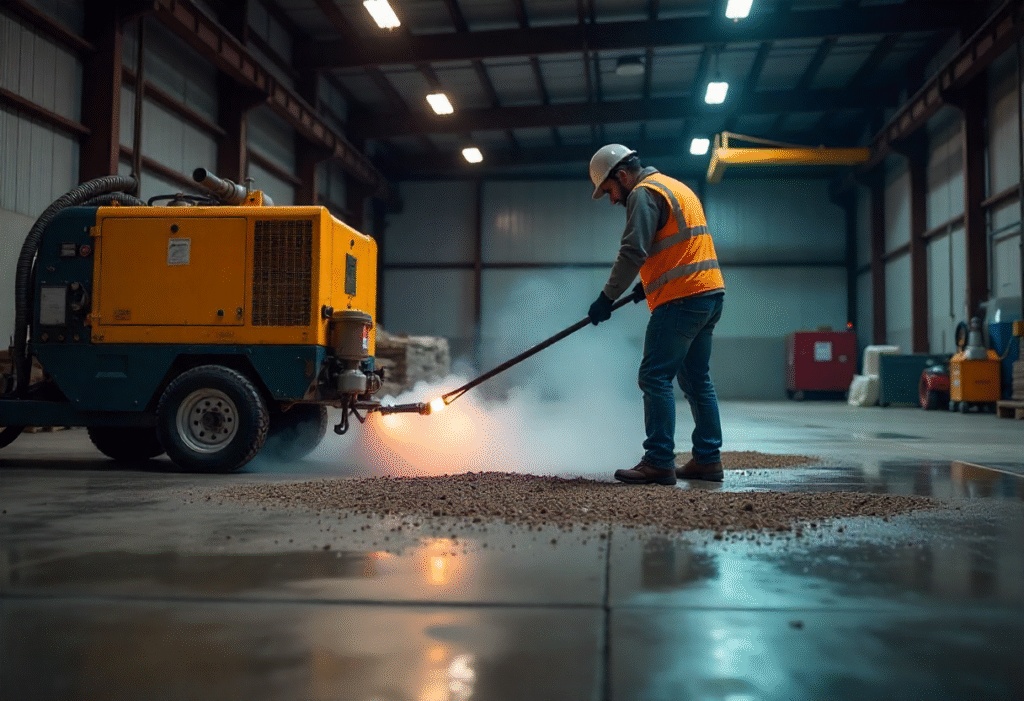
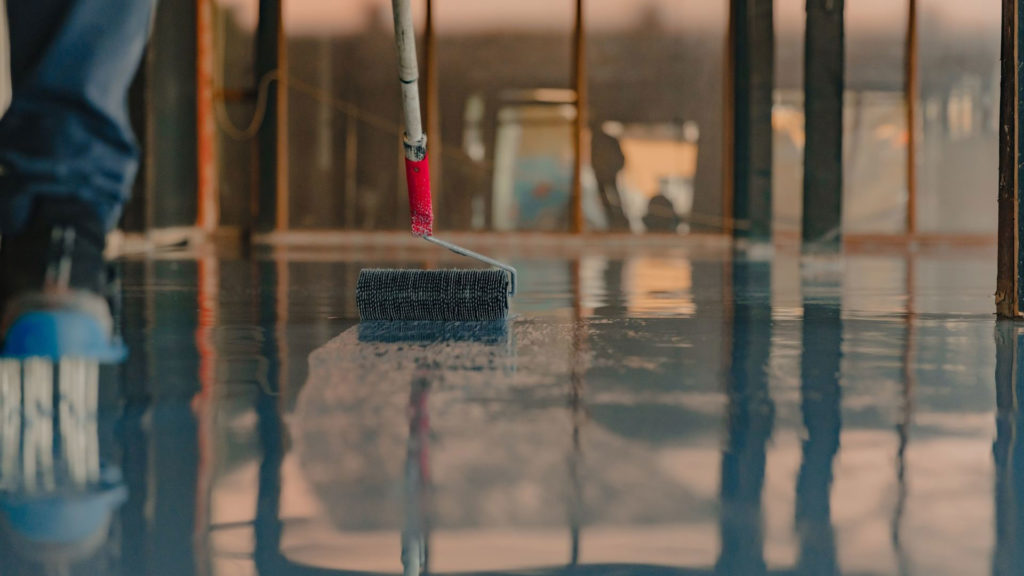
Toowoomba Climate Considerations for Crack Repair
Concrete repair success in Toowoomba depends heavily on weather conditions, with temperature swings and seasonal changes directly impacting materials and curing.
Why Timing Your Repairs Matters in Queensland – Extreme temperature shifts can ruin repairs if not planned properly. Scheduling work around climate conditions ensures lasting results.
Working with Queensland's Temperature Extremes – Hot summers accelerate curing and reduce work time, while cold winters slow bonding. Adjusting techniques, like heated blankets, ensures strong repairs.
Wet Season Challenges and Opportunities – Repairs are difficult when cracks leak water, but heavy rains help reveal which cracks truly need attention for future planning.
Dry Season Impact on Repair Planning – Dry spells widen cracks and aid bonding, making repairs more effective—but shrinking soils can also create new cracks over time.
UV Exposure and Surface Treatment Considerations – Queensland's harsh UV quickly breaks down sealers. Choosing UV-resistant materials is essential for long-lasting surface protection.
Humidity Effects on Material Performance – High humidity slows curing while very low humidity causes shrinkage cracks. Monitoring weather ensures repair durability.
Building Age and Common Regional Crack Patterns – Different construction eras show predictable crack issues—from foundation settlement in older homes to thermal stress in modern builds—helping with both repair and prevention.
Common Causes of Concrete Cracks in Toowoomba Properties
- Clay Soil Movement: Expansive clay soils swell when wet and shrink when dry, causing slabs to shift and crack. Drainage issues often make the problem worse.
- Poor Initial Concrete Placement and Curing: Rushed pours, excess water, and poor curing (especially in extreme heat) weaken concrete, leading to premature shrinkage cracks.
- Inadequate Control Joint Placement: Poorly spaced or shallow joints fail to guide cracking, so concrete develops random cracks under stress.
- Foundation Settlement in Older Properties: Older homes with basic footings often experience uneven settlement, causing stress cracks in slabs and driveways.
- Tree Root Intrusion: Large tree roots grow under and around concrete, lifting or cracking slabs—sometimes forcing tough choices between tree preservation and repair.
- Heavy Vehicle Traffic: Driveways built for light vehicles crack under repeated stress from heavy trucks, RVs, or boats, especially when slabs are thinner than needed.
- Water Damage from Plumbing & Drainage: Leaks or poor drainage wash away soil beneath slabs, creating voids and weakening support, which leads to recurring cracks.
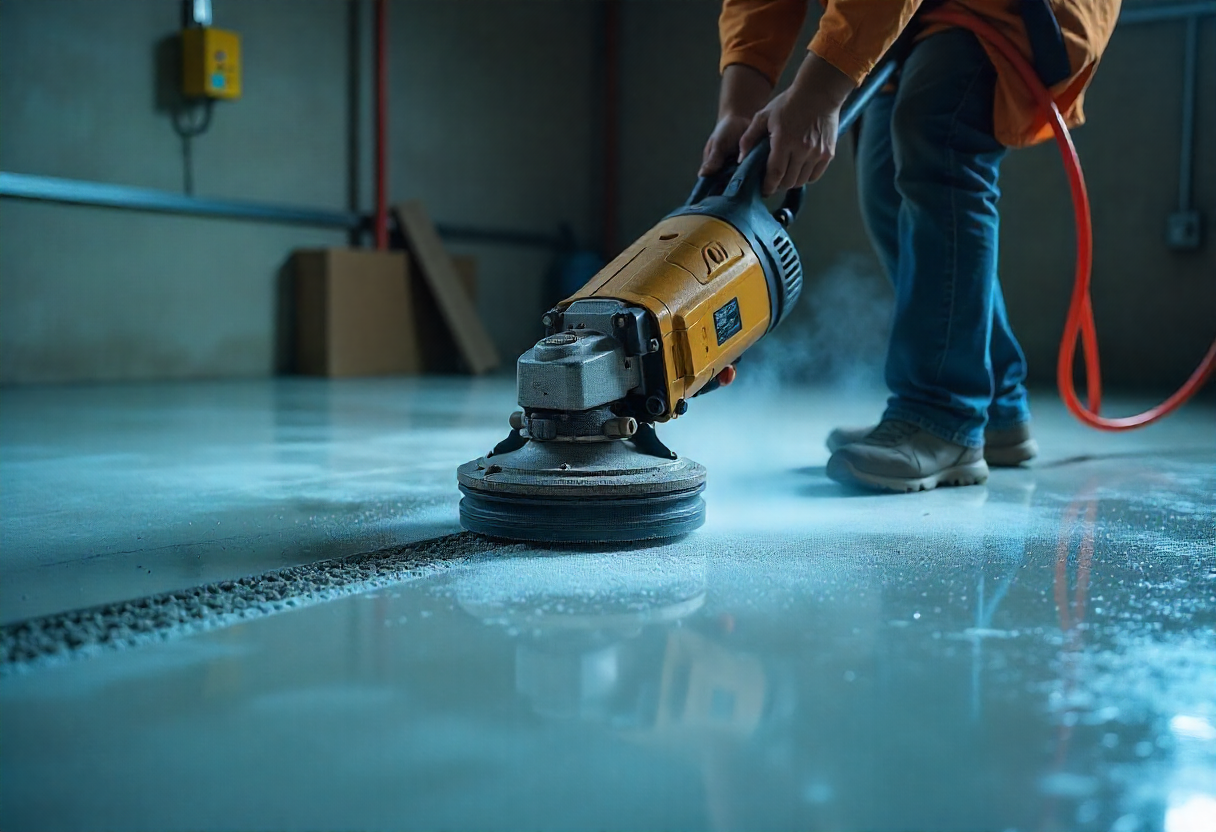

Structural vs Cosmetic Crack Repair: Understanding the Difference
Structural Cracks:
- Affect load-bearing capacity and safety.
- Indicators: wider than 3mm, displacement, or foundation-related patterns.
- Require engineering oversight, permits, and code compliance.
- Often need long-term monitoring to ensure stability.
Cosmetic Cracks:
- Mostly surface-level (hairline, thermal, or crazing).
- Do not affect structural integrity.
- Focus on appearance, water protection, trip hazard prevention, and property value.
- Maintenance includes sealing and annual inspections.
Compliance: Structural repairs involve permits and council approval to meet safety standards and protect insurance coverage.
The Complete Repair Process & Quality Control
- Assessment & Documentation: Record crack details (photos, measurements, conditions) and test core samples if needed to identify root causes.
- Surface Preparation: Ensure clean, contaminant-free surfaces using grinding, cleaning, or removal methods to ensure strong bonding.
- Material Selection: Choose repair materials based on crack type—flexible for moving cracks, epoxies for structural cracks, abrasion-resistant for high-traffic areas.
- Quality Testing: Verify repairs through strength, adhesion, load, or waterproofing tests, with results documented and provided to the property owner.
What to Look For in Concrete Crack Repair Services
Ready to transform your floors? Contact Epoxy Floor Toowoomba Pro today – your enquiry may be referred to an independent contractor for a free assessment – and discover how professional floor refinishing service can restore your surfaces and protect your investment. We're here to help you get floors that look great, perform reliably, and last for years to come.
-
✅Local Expertise in Toowoomba Conditions
Look for a contractor who understands Toowoomba’s clay soils, our climate challenges, and the common problems affecting local properties. That local experience translates into repair solutions that actually work in our conditions.
-
✅Comprehensive Diagnostic Approach
Many contractors treat symptoms rather than causes. A systematic diagnostic approach identifies underlying problems and addresses them along with visible damage. This prevents recurring problems and saves money long-term.
-
✅Quality Materials and Methods
Professional-grade materials designed for our climate conditions are worth insisting on. Cheap repairs usually become expensive problems. Quality materials cost more initially but provide better long-term value.
-
✅Warranty and Ongoing Support
Ask the contractor what written warranty, if any, applies to materials and workmanship on structural repairs, and what ongoing support is offered if problems develop. For major commercial projects, ask whether monitoring programs are available.
Watch
Concrete crack repair and filling enquiries are welcome from Wilsonton, Charlton and South Toowoomba, and greater Toowoomba.
FAQs About Concrete Crack Repair in Toowoomba
Can you pour new concrete over old cracked concrete?
Yes, you can pour new concrete over old cracked concrete, but it's not always the best solution here in Toowoomba. It's a common question from homeowners in Middle Ridge and Rangeville who hope they can just cover up their problems.
Will fresh concrete adhere to old concrete?
Not without help, it won't. This is probably the biggest mistake DIY enthusiasts make around Toowoomba. They think concrete naturally sticks to concrete, but it doesn't work that way. Fresh concrete will bond to old concrete about as well as trying to glue two smooth rocks together. You need a bonding agent, proper surface preparation, or mechanical connection to make it work.
Should you pin new concrete to old concrete?
Absolutely, especially here in Toowoomba where soil movement is constant. Pinning (also called doweling) involves drilling holes in the existing concrete and inserting steel rebar or dowels that extend into the new concrete.
Can you resurface over cracked concrete?
Yes, but success depends entirely on addressing why the concrete cracked in the first place. Just resurfacing without fixing the underlying problem is like painting over rust – it'll look good for a while, then the problems come back worse.
How thin can concrete be poured over existing concrete?
In Toowoomba's climate, going thinner than 40mm for overlays isn't recommended. Our temperature swings are brutal – we can go from 2°C winter mornings to 38°C summer afternoons. Thin overlays just can't handle that thermal stress.
Should I fill cracks in concrete with sand?
No, definitely not as a permanent solution. This DIY fix is attempted all over Toowoomba, and it never lasts. Sand might temporarily prevent weeds from growing in the cracks, but our weather conditions wash it out within months.
Does concrete crack filler harden?
Quality concrete crack fillers definitely harden, but how hard depends on the product type and our local conditions. Epoxy-based fillers cure very hard – often harder than the original concrete. Polyurethane fillers cure to a flexible rubber-like consistency.
Ready to Fix Your Concrete Cracks?
Don't let small cracks become big problems. Whether you're dealing with hairline surface cracks or concerning structural issues, professional assessment and repair protects your property investment and ensures safety.
Call us today and we can refer your enquiry to an independent contractor for a free assessment of your concrete crack issues. The contractor can explain what's causing your cracks, recommend a cost-effective repair approach, and provide a quote.
Serving Toowoomba, Rangeville, Highfields, Middle Ridge, Harristown, Wilsonton, and surrounding areas.
Remember, concrete cracks don't heal themselves – they only get worse over time. The cost of early intervention is always less than the cost of major repairs later. Get your cracks fixed right the first time.
Visit Epoxy Floor Toowoomba Pro
- Phone: (07) 4580 2888
- Hours: Monday–Friday, 7:00 AM–5:00 PM